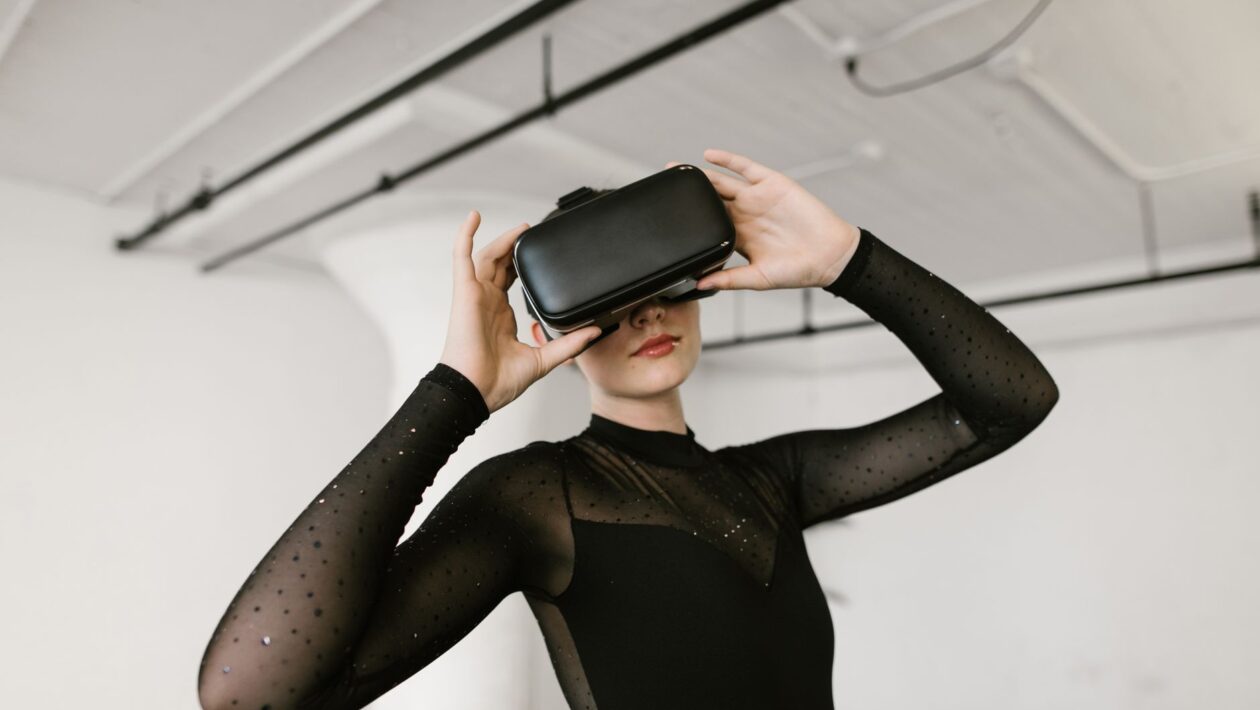
As technology evolves, the role of spatial design in interactive media continues to gain prominence. It encompasses the way users experience and interact with digital environments, influencing everything from user engagement to emotional responses. Understanding spatial design is essential for creators aiming to craft compelling and immersive experiences.
Spatial design in interactive media involves manipulating physical and virtual spaces to enhance user interaction. This can range from the layout of a video game world to the interface of a mobile app. With the rise of augmented reality (AR) and virtual reality (VR), the importance of spatial design has intensified, making it a critical area of focus for designers.
Understanding the Elements of Spatial Design
At its core, spatial design integrates several key elements: scale, orientation, movement, and interaction. Scale refers to the relative size of objects within the environment, influencing how users perceive space. For example, in a VR game, the scale of character models compared to the environment can trigger different emotional responses and enhance immersion.
Orientation is about how users navigate through a space, affecting their mental models of the environment. Effective use of orientation can guide users intuitively through a narrative or gameplay, reducing friction and enhancing flow. Movement, both of the user and objects within the space, contributes significantly to the dynamism of the interaction. For instance, in a mobile application, animations that respond to user inputs can make interactions feel more natural and engaging.
Case Studies and Real-World Applications
Several successful applications showcase effective spatial design. Consider the game “The Legend of Zelda: Breath of the Wild.” Its open world is meticulously crafted, utilizing scale and movement to guide players through a vast landscape rich with exploration opportunities. The varied terrain and carefully placed landmarks ensure that players always have a point of reference, enhancing their spatial awareness.
Another example is the use of AR in retail environments. Companies like IKEA have developed apps that allow customers to visualize furniture in their own living spaces. This application of spatial design not only helps in decision-making but also creates an engaging and interactive shopping experience.
The Future of Spatial Design in Interactive Media
As we look to the future, spatial design will invariably evolve alongside emerging technologies. The integration of AI in spatial design can offer personalized experiences by adapting environments based on user behavior and preferences. Furthermore, as the Internet of Things (IoT) becomes more widespread, the blend of physical and digital spaces will redefine how we interact with our surroundings.
Ultimately, mastering spatial design in interactive media can significantly enhance user experiences, making it a critical skill for designers in the digital age. Understanding its principles and applications allows creators to push boundaries and engage users in novel ways, paving the path for future innovations in the industry.