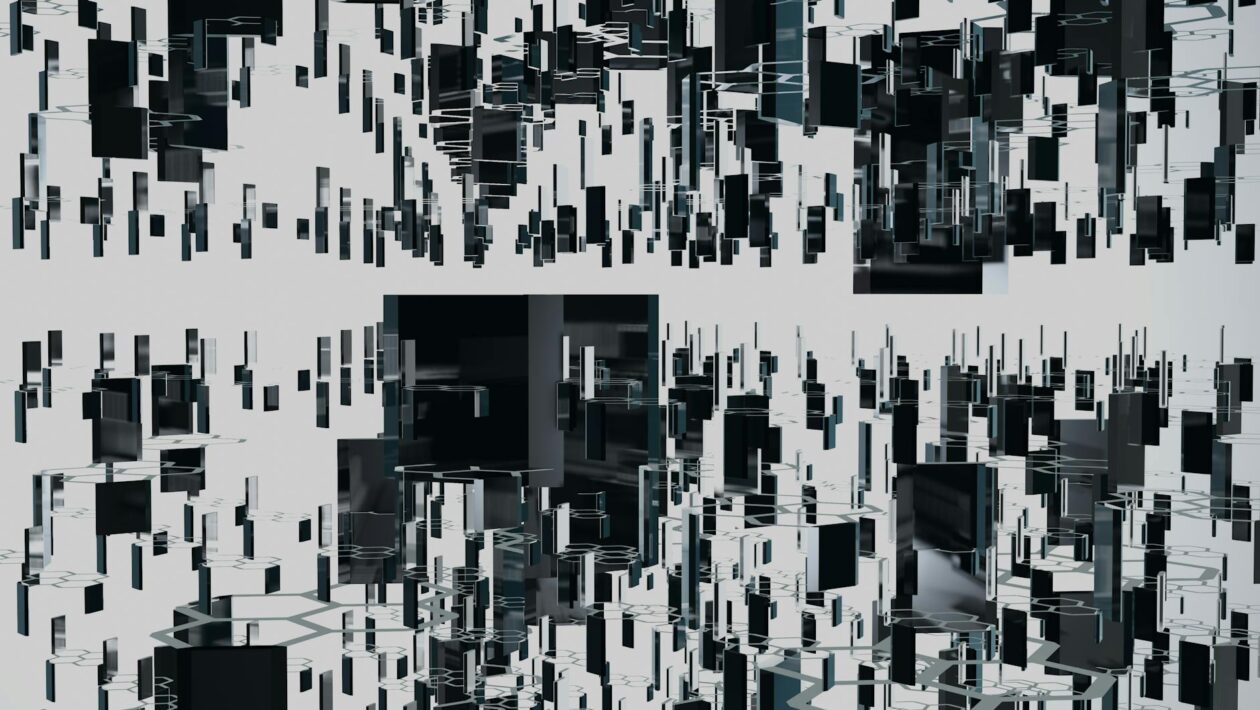
Spatial design in interactive media is a fascinating arena where creativity blends seamlessly with technology. As more people engage with digital environments, understanding how space affects user experience becomes crucial. This article delves into various aspects of spatial design that can significantly enhance interactive media projects.
The rise of virtual reality (VR) and augmented reality (AR) has amplified the importance of spatial design. With users exploring three-dimensional spaces, designers must consider how spatial elements influence user interaction, usability, and overall engagement.
Understanding Spatial Relationships and User Interaction
One of the fundamental principles of spatial design is the relationship between objects in a digital space. This includes understanding how distance, scale, and positioning affect user perception. For instance, a study published in the Journal of Human-Computer Interaction found that users feel more immersed when relevant objects are placed within their immediate visual range. By strategically placing interactive elements in closer proximity, designers can encourage exploration and interaction.
Creating Intuitive Navigation Systems
Effective navigation is vital for any interactive media project. Spatial design can enhance navigation by establishing clear pathways and visual hierarchies. An example of this can be seen in mobile applications that use spatial cues like depth and shadows to guide users through different sections. These cues help users develop a mental map of the interface, reducing frustration and improving the overall experience.
The Role of Lighting and Texture
Lighting and texture also play pivotal roles in spatial design. Proper lighting can create ambiance and emphasize important elements. For instance, in interactive storytelling applications, ambient lighting can set the mood and draw users into the narrative. Meanwhile, textures can provide tactile feedback, enhancing the realism of a digital space. A well-known interactive game, “The Legend of Zelda: Breath of the Wild,” utilizes varied textures and lighting to create an immersive world that feels alive.
Embracing User Feedback for Continuous Improvement
Spatial design should be an iterative process informed by user feedback. Conducting usability tests allows designers to observe how users interact with the space and identify any pain points. An example might include testing how users navigate a virtual gallery. Gathering insights on user behavior can lead to adjustments that significantly enhance the overall design, ensuring that spatial elements are not only visually appealing but also functional.
Conclusion: The Future of Spatial Design in Interactive Media
As interactive media continues to evolve, the significance of spatial design will only grow. Designers must stay attuned to emerging technologies and user preferences to create engaging experiences. By understanding the intricacies of spatial relationships, navigation, lighting, and user feedback, professionals can craft interactive environments that resonate with audiences and set new standards in the digital landscape.