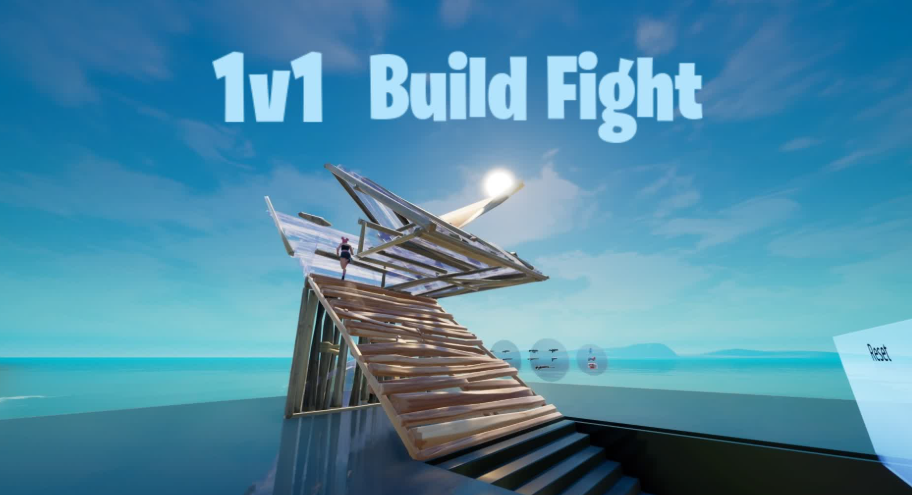
Competitive matches inside Fortnite are often reduced to aim accuracy and reaction speed. From my perspective, that explanation barely scratches the surface. What truly defines high level play is spatial control, and more specifically, vertical architecture.
As someone who pays attention to structure and form, I began noticing that Fortnite is less about shooting and more about constructing space under pressure. Every ramp, wall, and floor piece is part of a temporary architectural system. Height becomes influence. Elevation becomes leverage.
Understanding Vertical Dominance
In traditional architecture, verticality symbolizes power and visibility. Tall structures command attention and extend line of sight. The same principle applies in Fortnite. Securing high ground provides clearer angles, better defensive coverage, and stronger offensive positioning.
A player positioned above an opponent gains informational advantage. They see movement earlier. They control engagement timing. They force opponents into reactive patterns. In competitive scenarios, this often determines the outcome of a fight before shots are even exchanged.
From watching tournaments and analyzing gameplay footage, it becomes obvious that professional players prioritize height as a core objective. They do not build randomly upward. They establish stable foundations and layer protection while climbing. Verticality is treated as strategic infrastructure rather than panic movement.
Structural Systems in Real Time Combat
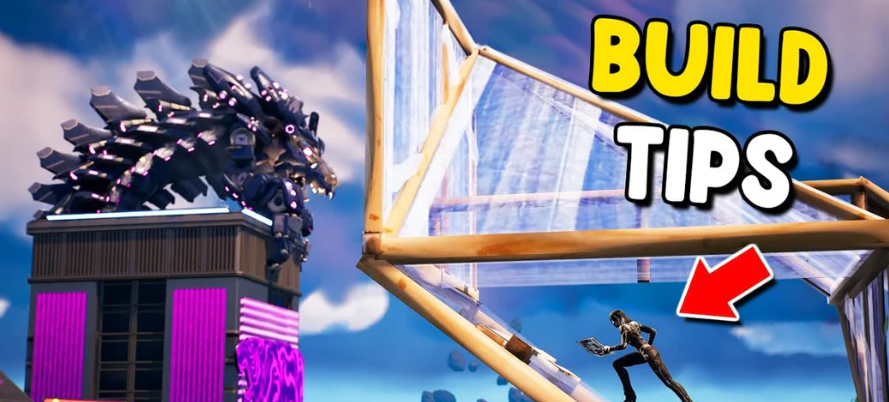
What fascinates me most is the speed at which structures are assembled. Within seconds, a simple flat landscape transforms into a multi level combat zone. Ramps create upward pathways. Walls provide defensive shields. Floors extend platforms outward. Cones block enemy access.
This is architecture in motion.
Unlike permanent buildings, Fortnite structures are temporary. Yet while they exist, they redefine circulation patterns and engagement zones. Each placed piece affects movement flow and visibility. Destroying a lower support can collapse an entire tower, which introduces structural dependency similar to load bearing principles in real world construction.
In competitive play, resource management reinforces this architectural logic. Wood builds quickly but breaks easily. Brick offers balance. Metal provides durability but requires more time to reinforce. Choosing the right material for vertical expansion becomes a design decision tied to survival.
Psychological Impact of Elevation
Vertical advantage extends beyond mechanics. It affects psychology. When an opponent controls height, the pressure shifts. The player below must either challenge upward, exposing themselves, or disengage and reposition. Both choices involve risk.
High ground creates intimidation.
It limits escape routes.
It narrows visibility angles for the lower player.
In late game circles where dozens of competitors remain in a shrinking zone, stacked builds create layered skylines. Watching these moments, I often see elevation battles unfold like chess. Players rotate between levels, claim space above others, and deny access through well placed pieces. Victory frequently belongs to those who maintain height stability rather than those who pursue eliminations aggressively.
Editing and Micro Architecture
Another layer that reflects architectural thinking is the editing system. Players modify walls and floors to create openings, protective angles, or escape routes. These micro adjustments resemble interior reconfiguration. Space is not static. It adapts to pressure.
Skilled competitors think in layers. They protect the base. They anticipate collapse risks. They secure vertical paths before exposing themselves. There is a noticeable difference between reactive building and intentional structural planning.
The more I observe competitive Fortnite, the clearer the pattern becomes. Success relies on understanding spatial relationships. Height interacts with mobility tools, line of sight, and storm positioning. Vertical architecture is not a decorative element. It is the backbone of strategy.
Beyond Shooting Mechanics
Most shooter games rely on fixed environments. Elevation points are predetermined by map design. Fortnite breaks that limitation. Players generate their own vertical systems dynamically. The battlefield is constantly rewritten.
This transforms the experience into something closer to live design than static competition.
From my viewpoint, Fortnite offers a compelling example of how digital architecture shapes interaction. The game rewards those who recognize the importance of elevation control, structural balance, and spatial awareness.
When I watch competitive matches now, I no longer see only gunfights. I see towers rising in seconds. I see layered systems competing for dominance. I see temporary skylines dictating the flow of battle.
Vertical architecture defines visibility, control, and momentum. It shapes engagement patterns and psychological pressure. It determines who leads and who reacts.
In Fortnite competitive play, height is not optional.
It is structural authority built in real time.